OUR MISSION
We elevate the voices of Neurodivergent people to help them flourish and thrive
MEETUP GROUPS
Find your community
Explore our monthly online meet-up groups—spaces for Neurodivergent folk to connect and share experiences.
JOIN our campaign
We are against the use of Positive Behaviour Support and Applied Behaviour Analysis for Neurodivergent people and people with a learning disability. We believe better, more compassionate approaches exist.
-
What I value most is that ND Connection fills a gap that statutory services simply can’t. They provide the kind of relational, neurodiversity‑affirming support that prevents escalation, reduces isolation, and helps young people stay connected... I recommend the ND Connection team because I trust them. I trust their approach, their values, and their ability to make a meaningful difference in the lives of young people who deserve to be understood and supported—not just assessed or managed.
— Jane Ferguson, Consultant Practitioner, HOPE(S) Team
-
The integration of extensive knowledge with the range of personal lived experience really made the difference...There was a great capacity to engage people in constructive dialogue, while challenging where necessary, within a neuro-affirming approach.
— Clinical Lead, Trustwide Autism Team
-
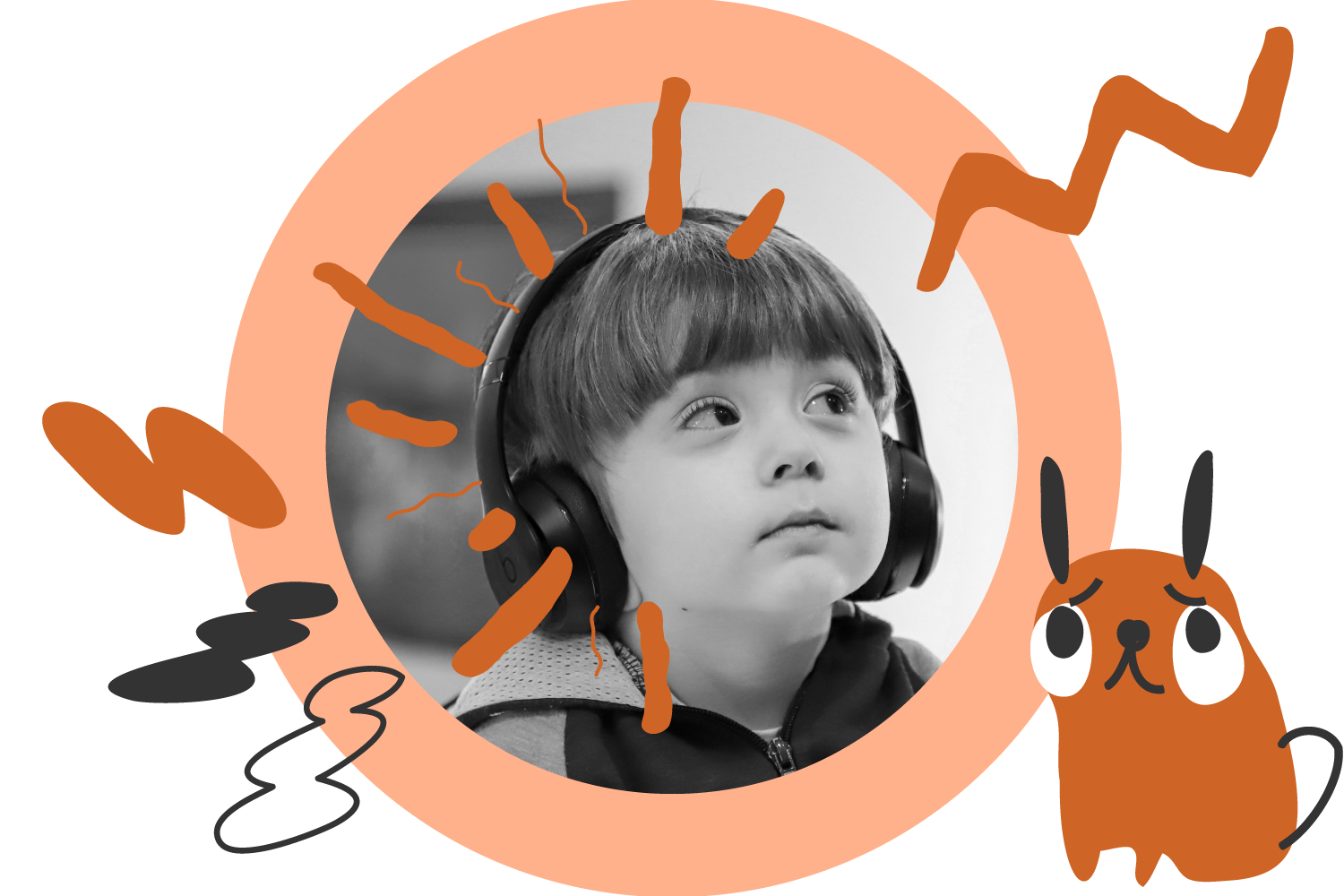
Working with this team has transformed how we think about sensory needs. Hearing about sensory and communication needs directly from people who experience and understand it has altered how we work with the young people in our service.
— CAMHS Inpatient Mental Health Team
-
As an autistic person I just want to commend the team for having lived experience so deeply ingrained into the training. It was so refreshing to see and made the content a lot more interesting and understandable.
— Mental Health Professional, Autism Informed Training attendee
-
The resources created by this team are brilliant. They’re really useful and should be applied in schools as well as hospitals.
— Children’s Occupational Therapist
-
Jill ensures that true co-production is at the heart of all projects and brings a unique energy to everything she does. Jill is innovative and never dogmatic, turns ‘problems’ into opportunities, and you can trust that what is agreed will be delivered.
— Tom McGhie, Care and Treatment Review Programme Manager
NHS England -
I just wanted to let you know how impactful your report and your words in today’s meeting were. The work you are doing is giving a voice to autistic people who aren’t able to articulate their needs and it’s brilliant to see. I hope our paths cross again!
—Josie Saville, Co-CEO, Lets for Life
-
One of the best training sessions I’ve attended. Thank you so much.
— Attendee of “Introduction to Autism” Online Training
-
Individual support
-
Housing and Homes
-
Sensory environment
-
Public speaking
-
Bespoke consultation
OUR MISSION
We are here to support change that enables Autistic people to flourish.
We are here to elevate Autistic and other Neurodivergent voices. Our work is focused on sharing solutions, helping others understand, and promoting different ways of working.
-
Training Curriculum
-
Neurodivergent Wellbeing Approach
-
Development Support
OUR WORK
We believe that Autism is a difference, not a disorder.
There’s a lack of understanding about the challenges that Autistic people face, and what needs to be done differently to ensure they can thrive. Our work aims to change that.
NdC Journal
Neurodiversity celebrates the natural variation in human minds, challenging the notion of a single “normal.” In this guest blog, Tania Robinson explores why a “neurodiversity-lite” approach can be harmful, and how to identify practices that genuinely support and include Neurodivergent people.
Belonging in a Neurodivergent family often means letting go of traditional expectations and learning to see behaviour as communication. Bethan Warner shares how shifting from expectation to connection helped her family create a home where everyone feels safer, understood, and able to belong.
For many Neurodivergent children, belonging can feel confusing, distant, or out of reach long before they have the words to explain why. Emma explores how early experiences of difference and exclusion shape a child’s sense of self — and why understanding, acceptance, and the right support can help them grow up feeling secure in who they are.
During Children’s Mental Health Week, “This Is My Place” invites us to rethink how we support Autistic children. Helen Edgar explores how creating safe, Neurodivergent-affirming spaces—where children’s sensory needs, communication, and interests are respected—helps them feel they truly belong and thrive.
In this research roundup, Ann Memmott brings together recent papers from December and January exploring Autism and other Neurodivergent conditions, with a particular focus on support needs, inclusion, and ethics in research and practice.
Lou Chandler shares reflections on how home environments can impact sensory needs, drawing on their lived experience as an autistic person. Lou explores how elements such as lighting, noise and spatial layout can affect regulation and offers gentle prompts for considering small, supportive adjustments at home.
Neurodivergent educator Zoë Austin reflects on her lived experience working within the UK education system and supporting autistic and ADHD children, families and students who are too often failed by it.
In our second festive blog, we’re joined by Molly Anderton, NdC Lived Experience Advisor, as she shares insights into her Christmases growing up as an undiagnosed Neurodivergent person and sends warm wishes back in time to her younger self.
OUR VISION
We want to create positive change in society, not just in hospitals.
We recognise that opportunities for creation, connection, fulfilment and purpose help Neurodivergent people live happy, healthy and meaningful lives in the wider community.



In this research roundup, Ann Memmott brings together recent February papers exploring Neurodivergence and Learning Disabilities. The studies cover drug trials, gender parity, social communication preferences, later-life Autism diagnosis, bullying patterns, ADHD and mind wandering and mental health and suicidality in older Autistic adults—highlighting the importance of understanding, support, and respect for diverse ways of being.